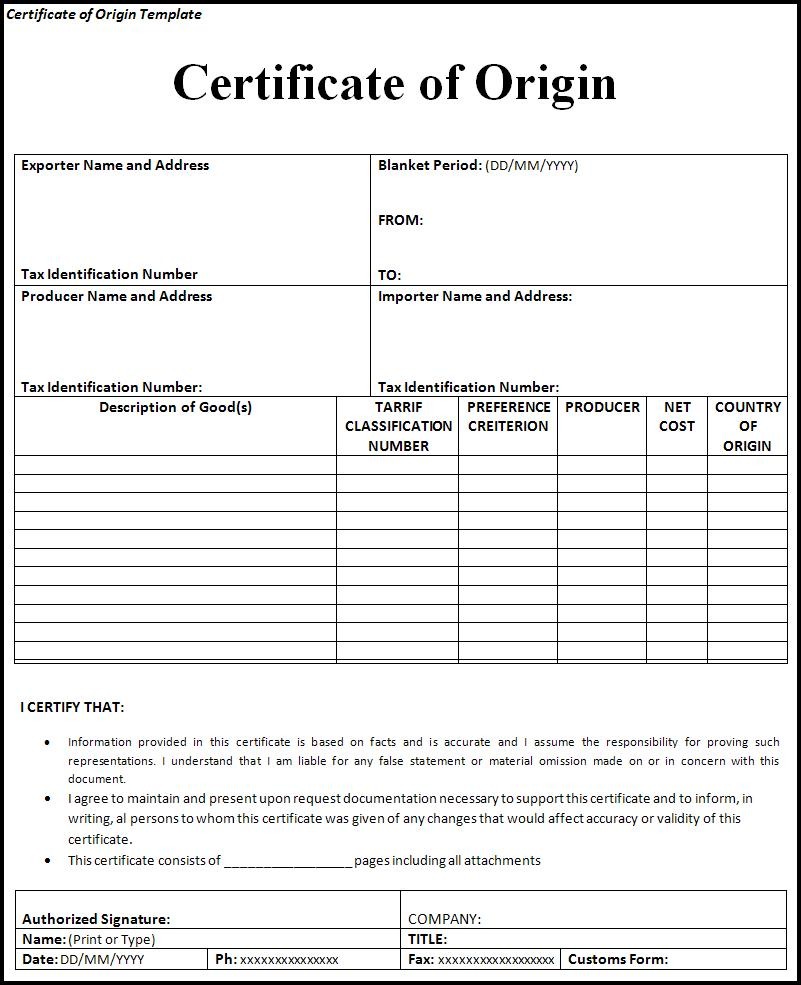



Certificate of Origin: A Critical Export Document to Enhance Your Global Trade
What constitutes a Certificate of Origin?
In international trade, a Certificate of Origin (CO) is a critical official document that verifies the country in which the goods were manufactured, produced, or processed. It is used to provide customs authorities in the importing country with evidence regarding the origin of the products being shipped. Ensuring adherence to international agreements, trade policies, and customs regulations, this document is an essential component of export documentation.
The Certificate of Origin helps exporters get lower customs fees or tax breaks that are offered through different regional trade agreements and Free Trade Agreements (FTAs), while also confirming where the goods come from.
Obtaining a Certificate of Origin is far more than a procedural formality—it is a strategic tool that enhances credibility, transparency, and compliance in international markets. For exporters, it ensures that products are eligible for preferential duties under Free Trade Agreements (FTAs) or regional trade pacts, such as SAFTA, ASEAN, or other bilateral agreements. This can significantly reduce tariffs, lower costs, and improve competitiveness, allowing Indian businesses to offer more attractive pricing to foreign buyers.
Beyond financial benefits, the COO also establishes trust and authenticity with international partners. It signals to importers, banks, and customs authorities that the goods originate from the declared country and meet the regulatory standards of both exporting and importing nations. This trust is critical for building long-term business relationships, ensuring smooth customs clearance, and avoiding disputes or delays at borders.